Physical Address
304 North Cardinal St.
Dorchester Center, MA 02124
Physical Address
304 North Cardinal St.
Dorchester Center, MA 02124
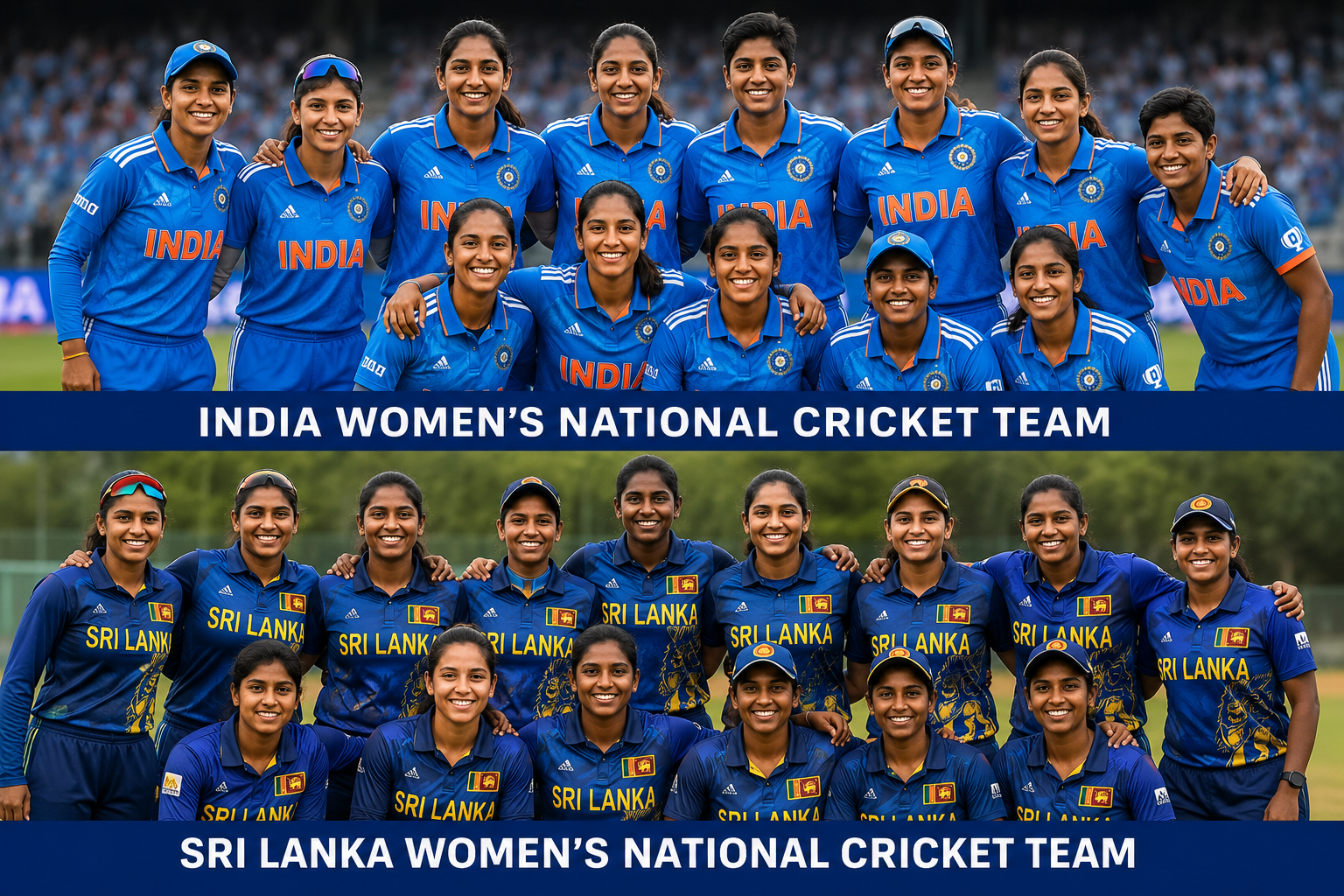
The rivalry between these two South Asian cricket teams has produced many memorable moments across international tournaments and bilateral series. What started as a one-sided contest gradually evolved into a competitive battle filled with remarkable performances, tactical battles, and emotional victories. Over the years, talented batters, match-winning bowlers, and inspirational captains have shaped the journey of this rivalry. From dominant wins and record-breaking innings to thrilling finishes and unexpected upsets, every encounter has added a new chapter to the story. This article explores the complete journey, highlighting key matches, notable performances, important statistics, and the moments that helped define one of women’s cricket’s most fascinating regional rivalries.
| Date | Format | Venue | India Score | Sri Lanka Score | Result | Margin |
|---|---|---|---|---|---|---|
| Oct 9, 2024 | T20I | Dubai | 172/3 | 90/10 | India won | 82 runs |
| Jul 28, 2024 | T20I | Dambulla | 165/6 | 167/2 | Sri Lanka won | 8 wickets |
| Jul 7, 2022 | ODI | Pallekele | 255/9 | 216/10 | India won | 39 runs |
| Jul 4, 2022 | ODI | Pallekele | 174/0 | 173/10 | India won | 10 wickets |
| Jul 1, 2022 | ODI | Pallekele | 176/6 | 171/10 | India won | 4 wickets |
| Jun 27, 2022 | T20I | Dambulla | 138/5 | 141/3 | Sri Lanka won | 7 wickets |
| Team [1, 2, 3] | Format | Matches | Won | Lost | Tied | No Result |
|---|---|---|---|---|---|---|
| India Women | ODI | 34 | 30 | 3 | 0 | 1 |
| Sri Lanka Women | ODI | 34 | 3 | 30 | 0 | 1 |
| India Women | T20I | 26 | 21 | 4 | 0 | 1 |
| Sri Lanka Women | T20I | 26 | 4 | 21 | 0 | 1 |
| India Women | Test | 1 | 1 | 0 | 0 | 0 |
| Sri Lanka Women | Test | 1 | 0 | 1 | 0 | 0 |
| Combined Total | All | 61 | 52 | 8 | 0 | 1 |
| Player Name | Team | Matches | Innings | Total Runs | Highest Score | Average |
|---|---|---|---|---|---|---|
| Mithali Raj | India | 27 | 25 | 1007 | 109 | 50.35 |
| Smriti Mandhana | India | 31 | 30 | 985 | 94 | 39.40 |
| Harmanpreet Kaur | India | 35 | 32 | 875 | 68 | 33.65 |
| Chamari Athapaththu | Sri Lanka | 38 | 37 | 812 | 115 | 22.54 |
| Shafali Verma | India | 18 | 18 | 510 | 79 | 30.00 |
| Deepti Sharma | India | 24 | 19 | 415 | 60 | 27.66 |
| Hasini Perera | Sri Lanka | 22 | 21 | 385 | 65 | 19.25 |
| Player Name | Team | Matches | Overs | Wickets | Best Bowling | Economy |
|---|---|---|---|---|---|---|
| Jhulan Goswami | India | 23 | 185.2 | 34 | 4/16 | 3.12 |
| Deepti Sharma | India | 24 | 142.1 | 31 | 3/18 | 4.05 |
| Inoka Ranaweera | Sri Lanka | 26 | 168.0 | 28 | 4/39 | 4.32 |
| Radha Yadav | India | 16 | 58.0 | 21 | 4/23 | 5.15 |
| Pooja Vastrakar | India | 15 | 64.2 | 18 | 3/28 | 4.90 |
| Renuka Singh Thakur | India | 12 | 46.0 | 15 | 4/21 | 4.45 |
| Sugandika Kumari | Sri Lanka | 19 | 112.4 | 14 | 3/24 | 5.22 |
The rivalry began as a contest between two developing women’s cricket programs in South Asia. During the early years, one side possessed greater international exposure, stronger domestic structures, and more experienced players. The other entered the contest with determination and a desire to close the competitive gap. Their first meetings were not just about results but about establishing identity on the international stage. Every run scored and wicket taken helped shape future encounters. Early matches revealed contrasting styles. One team relied heavily on disciplined batting and controlled bowling, while the other looked for individual brilliance to change games. These encounters created valuable learning experiences and laid the foundation for a rivalry that would grow stronger over time. Players who featured in the opening contests became role models for the next generation. The atmosphere around these matches was modest compared to modern standards, yet the importance of each contest was significant. Those initial meetings created narratives that would influence future tournaments, bilateral series, and championship clashes for many years.
| Era | Match Type | Key Feature | Impact | Result Trend |
| Early Years | ODI | Development Phase | Experience Building | Competitive |
| Initial Meetings | ODI | Tactical Learning | Team Growth | Balanced |
| Regional Events | Tournament | Exposure | Confidence Gain | Improving |
| Bilateral Games | ODI | Skill Testing | Rivalry Formation | Consistent |
| Foundation Period | Mixed Format | Identity Building | Long Term Impact | Emerging |
As the rivalry progressed, one team quickly established dominance through consistent performances and superior squad depth. Experienced batters regularly posted competitive totals, while disciplined bowling attacks restricted scoring opportunities. Several victories were achieved through professional execution rather than dramatic moments. Strong partnerships at the top of the order often set the tone, allowing middle-order players to build on solid foundations. The bowling unit complemented these efforts by maintaining pressure throughout the innings. During this period, many contests followed a familiar pattern where early wickets shifted momentum decisively. However, these results also motivated the opposition to improve fitness standards, tactical awareness, and player development pathways. Every defeat provided lessons that would later contribute to more competitive encounters. Coaches focused on addressing weaknesses while nurturing young talent capable of competing at the highest level. Although the scorelines often favored one side, the rivalry continued to evolve because both teams understood the value of every contest. This era established expectations and created the benchmark that future generations would attempt to surpass.
| Phase | Strength | Batting Impact | Bowling Impact | Outcome |
| Dominant Era | Experience | Consistent Runs | Controlled Spells | Frequent Wins |
| Bilateral Series | Stability | Strong Partnerships | Early Wickets | Positive Results |
| Tournament Games | Confidence | Match Control | Pressure Building | Success |
| Squad Development | Depth | Reliable Lineup | Balanced Attack | Advantage |
| Competitive Growth | Learning | Improved Approach | Tactical Discipline | Progress |
Despite facing difficult results during the early years, Sri Lanka gradually transformed into a more competitive unit. Improved domestic structures, increased international exposure, and the emergence of talented cricketers changed the nature of the rivalry. Matches that once appeared predictable began producing tense finishes and unexpected twists. The team adopted a more fearless approach, encouraging players to take calculated risks and challenge established opponents. Batters became more confident against quality bowling attacks, while bowlers developed strategies to contain aggressive scoring. This shift in mindset created a noticeable improvement in overall performances. Fans responded enthusiastically, recognizing that their team was no longer participating merely to gain experience. Instead, they were competing with genuine belief. Several closely contested encounters demonstrated that the competitive gap had narrowed significantly. These performances earned respect from opponents and neutral observers alike. The growing competitiveness also increased interest in the rivalry across South Asia. Every hard-fought contest reinforced the idea that determination, planning, and player development could transform a team’s fortunes over time.
| Area | Improvement | Key Benefit | Team Effect | Long Term Value |
| Batting | Better Technique | More Runs | Confidence | Growth |
| Bowling | Tactical Plans | Wickets | Pressure Creation | Stability |
| Fitness | Higher Standards | Consistency | Better Performance | Development |
| Experience | International Exposure | Awareness | Adaptability | Progress |
| Mindset | Positive Approach | Competitiveness | Strong Belief | Success |
Tournament cricket brought a completely different dimension to the rivalry. Unlike bilateral matches, every decision carried greater significance because qualification hopes, rankings, and championship ambitions were often at stake. The pressure of major events tested both skill and temperament. Captains faced difficult tactical choices regarding batting order adjustments, bowling rotations, and field placements. Players understood that one exceptional performance could define an entire campaign. These contests frequently featured momentum swings that kept supporters engaged from start to finish. A quick partnership, a crucial wicket, or a brilliant catch often changed the direction of a match within minutes. Tournament meetings also produced memorable individual performances that elevated players into national heroes. The intensity surrounding these games strengthened the rivalry and created lasting memories for supporters. Every victory felt more meaningful because it occurred on a larger stage with greater consequences. As both teams gained experience, tournament encounters became increasingly competitive and unpredictable. The pressure associated with these matches helped shape the character and resilience of numerous players.
| Event Type | Pressure Level | Key Factor | Match Influence | Legacy |
| Regional Cup | High | Qualification | Major Impact | Significant |
| Championship Game | Very High | Trophy Race | Decisive | Memorable |
| Group Stage | Moderate | Momentum | Important | Valuable |
| Knockout Match | Extreme | Survival | Match Defining | Historic |
| Final Contest | Maximum | Title Pursuit | Legacy Building | Lasting |
Every great rivalry is defined by memorable individual battles, and this contest produced several fascinating player matchups. Elite batters frequently faced highly skilled bowlers in situations where a single moment could influence the result. These confrontations added drama and anticipation to every meeting. Fans eagerly followed contests between aggressive stroke makers and disciplined bowling attacks. Captains also became central figures through their tactical decisions and leadership styles. Strategic field placements, bowling changes, and batting order adjustments often reflected the chess-like nature of high-level cricket. Individual excellence regularly inspired teammates and influenced match outcomes. A batter surviving a difficult spell or a bowler dismissing a key player could completely alter momentum. These moments became talking points long after matches ended. The rivalry benefited greatly from players who consistently delivered under pressure and embraced responsibility during crucial situations. Their performances enhanced the quality of competition and created narratives that supporters remembered for years. Such matchups transformed ordinary fixtures into highly anticipated sporting events.
| Player Role | Primary Strength | Match Impact | Fan Interest | Influence |
| Opening Batter | Fast Starts | Momentum | High | Significant |
| Middle Order | Stability | Recovery | Strong | Important |
| Pace Bowler | Early Wickets | Pressure | Consistent | Valuable |
| Spinner | Control | Containment | Growing | Strategic |
| Captain | Leadership | Decisions | Major | Lasting |
A defining stage of the rivalry emerged when results became increasingly difficult to predict. Improved preparation, tactical flexibility, and growing confidence enabled both teams to challenge expectations. Matches often featured dramatic momentum shifts where one side appeared dominant before the contest changed direction unexpectedly. Close finishes became more common, increasing excitement for players and supporters alike. Teams learned the importance of adapting quickly to conditions and match situations. Captains experimented with aggressive field settings, flexible batting positions, and creative bowling strategies. These adjustments demonstrated the evolving sophistication of both squads. Unexpected victories generated headlines and encouraged belief among emerging players. Fans embraced the uncertainty because every contest carried the possibility of a surprise outcome. The rivalry gained greater international attention as competitive balance improved. Commentators frequently highlighted how small margins separated victory and defeat. This unpredictability enhanced the entertainment value of the rivalry and ensured that each meeting attracted considerable interest from cricket followers across the region.
| Factor | Change | Benefit | Match Effect | Result |
| Strategy | Flexible Plans | Adaptability | Better Decisions | Improved |
| Confidence | Growing Belief | Aggression | Competitiveness | Positive |
| Leadership | Tactical Thinking | Control | Momentum Shifts | Effective |
| Squad Depth | More Options | Balance | Stability | Stronger |
| Execution | Consistency | Performance | Close Matches | Unpredictable |
The modern era has been shaped by influential players who brought a more aggressive and confident approach to international cricket. Dynamic batting, innovative shot selection, and improved fitness standards helped redefine expectations. The team embraced a proactive style designed to place opponents under pressure from the beginning of an innings. Experienced leaders played a vital role in guiding younger players while maintaining high performance standards. The batting lineup became known for its ability to accelerate scoring without abandoning technical discipline. Bowlers complemented this approach by attacking key batters and maintaining control during crucial phases. This combination created a balanced and formidable unit capable of adapting to different conditions. Supporters embraced this evolution because it reflected ambition and professionalism. Memorable performances during this era strengthened the team’s reputation and produced several landmark victories. The influence of senior players extended beyond statistics, as their leadership helped establish a culture focused on consistency and excellence. Their contributions continue to shape the rivalry’s modern chapter.
| Aspect | Development | Benefit | Team Impact | Legacy |
| Batting Style | Aggressive | Faster Scoring | Match Control | Modern Era |
| Leadership | Experienced Core | Stability | Confidence | Strong |
| Bowling Unit | Balanced Attack | Wickets | Pressure | Effective |
| Fitness Standards | Improved | Consistency | Performance | Lasting |
| Team Culture | Professionalism | Excellence | Success | Influential |
This rivalry has grown significantly over the years and continues to be an important part of women’s cricket in South Asia. While one side enjoyed prolonged periods of dominance, the other steadily improved through determination, talent development, and strong leadership. The result has been a series of exciting contests that have entertained fans and contributed to the growth of the women’s game. Memorable performances, tactical innovations, and historic victories have ensured that every meeting carries significance. As new players emerge and both teams continue to evolve, future encounters promise even more excitement. The legacy of this rivalry extends beyond results, serving as a symbol of progress, resilience, and the rising popularity of women’s cricket.
What makes this rivalry significant in women’s cricket?
This rivalry is important because it represents two leading South Asian cricket nations competing regularly in major tournaments and bilateral series.
Which tournaments have featured the most memorable encounters?
Regional championships, continental tournaments, and international multi-team events have produced many unforgettable matches between the two teams.
Who are some of the most influential players in this rivalry?
Several captains, star batters, all-rounders, and bowlers have played key roles in shaping important results over the years.
How has the rivalry changed over time?
The rivalry evolved from a largely one-sided contest into a much more competitive battle with closer matches and stronger performances from both teams.
Why do fans closely follow these matches?
Fans enjoy the rivalry because of the regional connection, passionate support, competitive cricket, and the possibility of witnessing memorable performances under pressure.
| Read Also: |